
Community
Gold firms on softer oil prices, US midterm results awaited
By Tommy Anderson
Advertisement · Why this ad?
Tommy Anderson is a community reporter with a knack for uncovering local stories that matter. He has a journalism degree from Minnesota State University Moorhead and has reported for several local news organizations over his eight-year career.
More from Tommy →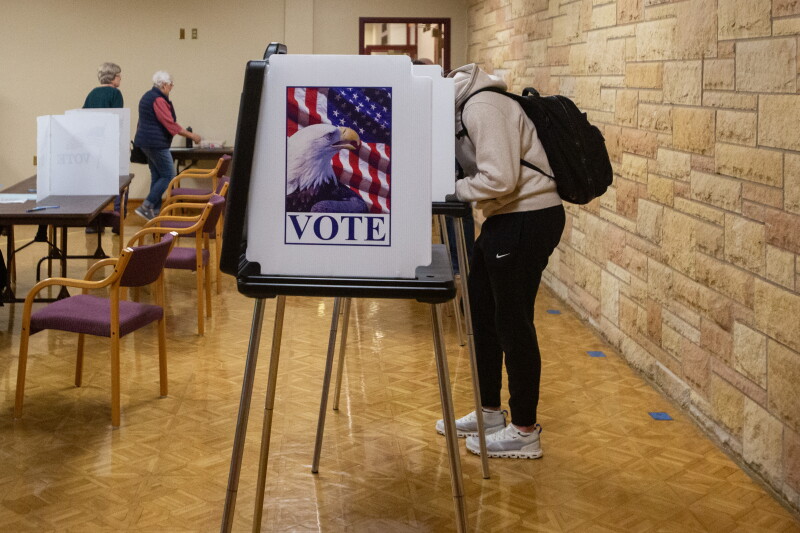
As the clock strikes 6 PM on Election Day, anticipation fills the air in Fargo and across North Dakota and Minnesota. Families gather around dining tables, friends connect over phone calls, and communities unite in shared hope for the future. This is not just another day; it’s a pivotal moment when citizens exercise their democratic rights and engage in the electoral process. For many, the results of these elections could shape the landscape of their communities for years to come.
Election results for North Dakota and Minnesota will be available online shortly after polls close. In North Dakota, polling stations close at 7 PM CT, while Minnesota voters will have until 8 PM CT to cast their ballots. As the votes are tallied, the results will be posted on each state's Secretary of State website. For North Dakota, visit the North Dakota Secretary of State page, and for Minnesota, check the Minnesota Secretary of State page. These resources will provide real-time updates as the results come in, allowing residents to stay informed about the outcome of the elections.
The importance of these elections cannot be overstated. Local races often have a profound impact on the community, affecting everything from school funding to public safety. As voters make their choices, they are not just participating in a process; they are shaping the future of their families and neighborhoods.
For those who want a comprehensive view of the election landscape, the Election Central page offers a wealth of information. It includes details on where to vote, how to register, and what to expect during the voting process. This resource is invaluable for first-time voters and seasoned participants alike, ensuring that everyone has access to the information they need to make their voices heard.
As residents prepare to cast their votes, it's crucial to understand the voting process in both states. In North Dakota, there is no voter registration requirement, making it easier for residents to participate. Voters simply need to bring a valid form of identification to the polls. This accessibility is a testament to North Dakota's commitment to encouraging civic engagement.
In contrast, Minnesota has a more structured registration process. Voters must register before they can cast their ballots, but the state offers same-day registration, allowing individuals to register at their polling place on Election Day. This flexibility ensures that more people can participate in the democratic process, which is essential for a healthy community.
Each state has its unique challenges and advantages, but what remains constant is the dedication of the voters. Whether it's a single mother balancing work and parenting or a retiree eager to see change, every vote counts. As families gather to discuss the issues at stake, the values of commitment and community shine through, reminding us of the importance of participating in the electoral process.
Community engagement is a vital aspect of the electoral process. Local organizations and advocacy groups work tirelessly to educate voters about the issues and candidates. In Fargo, groups like the Fargo-Moorhead Chamber of Commerce play a crucial role in fostering dialogue around civic participation. Their initiatives aim to increase voter turnout and ensure that residents are informed about the implications of their choices.
Moreover, local churches and faith-based organizations often encourage their congregations to engage in the electoral process. By promoting values of integrity, commitment, and service, these groups help foster a sense of responsibility among voters. This community-driven approach not only enhances voter participation but also reinforces the importance of strong families and cohesive neighborhoods.
As the polls prepare to close, the excitement builds. Residents reflect on the issues that matter most to them—education, healthcare, public safety—and how their votes will influence these areas. The commitment to a brighter future for their families and communities drives them to the polls, embodying the spirit of democracy.
As the results begin to roll in, the community will gather to witness the outcome of their collective efforts. The joy of victory and the lessons from defeat are both integral to the democratic process. For many, this moment is not just about winning or losing; it’s about the journey taken to arrive at this point. The discussions held, the debates engaged in, and the friendships formed all contribute to a stronger community.
In the coming days, local news outlets will provide in-depth analysis of the election results, exploring what they mean for Fargo and beyond. Residents are encouraged to stay engaged, continuing the conversations that began during the campaign season. This ongoing dialogue will help shape the future of the community, ensuring that the values of commitment, faith, and family remain at the forefront.
As we look to the future, it’s essential to remember that every election is a stepping stone toward progress. The decisions made today will impact generations to come. By participating in the electoral process, residents of Fargo and the surrounding areas are not just voting for candidates; they are voting for the values they hold dear and the future they envision for their families.
For those seeking additional information about the electoral process, numerous resources are available. The National Association of Secretaries of State provides a comprehensive guide on how to vote, including registration and polling information. Additionally, local libraries and community centers often host informational sessions about the voting process, helping to demystify any uncertainties.
Furthermore, social media platforms can serve as effective tools for engaging with the community. Many local candidates and organizations utilize platforms like Facebook and Twitter to share important updates and information. Engaging with these channels can provide residents with real-time insights into the election and its implications.
As we continue to navigate the complexities of the electoral process, it’s vital to approach it with a sense of purpose and community spirit. The act of voting is not just a civic duty; it’s a celebration of the values we hold dear—strong families, enduring commitments, and a faith that guides our decisions.
By Tommy Anderson

By Jenna Larson
By Tommy Anderson

By Tommy Anderson